Russia - главные новости

Все новости, где упоминается Russia

Flexible Stagnation: How Lukashenka Has Held On To Power For 25 Years In Belarus - udf.by - Belarus - Eu - Ukraine - Russia
udf.by
36%
233
Flexible Stagnation: How Lukashenka Has Held On To Power For 25 Years In Belarus
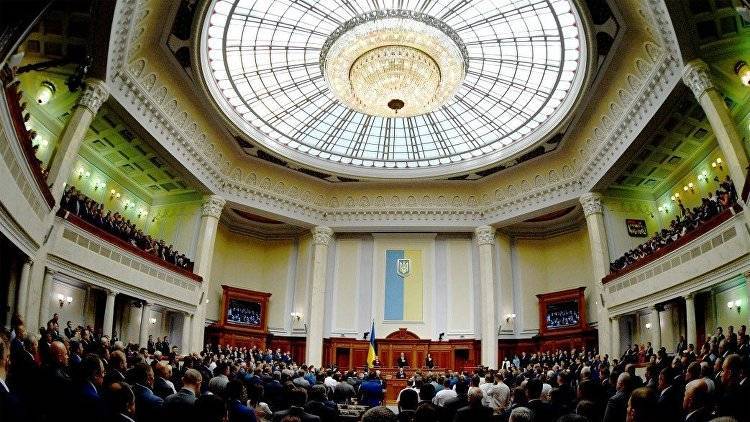
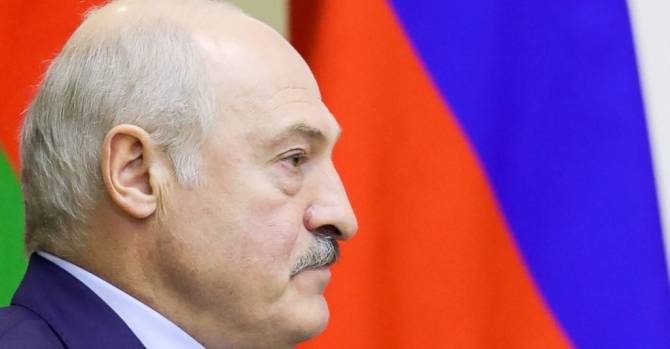
And a 39-year-old former collective farm director with a deep, nasal voice and a knack for populist pronouncements won the first — and so far only — democratic presidential election in Belarus. Alyaksandr Lukashenka was sworn in on July 20, 1994, beginning the first of five presidential terms — and counting. Europe and the world have undergone startling transformations over the last quarter-century but the presence of Lukashenka has been a constant. Or has it? The wily leader of this resource-poor nation of 10 million bordering Russia, Ukraine, and three European Union and NATO countries has proven endlessly flexible in his constancy, turning his country into a textbook example of adaptive authoritarianism. To the surprise of most observers, the political neophyte Lukashenka proved from the beginning to be an adroit politician with formidable instincts. At a turbulent time he tapped a vein of conservatism in Belarus, whose citizens overwhelmingly voted against the dissolution of the Soviet Union in the 1991 referendum and have often sought stability but had to settle for stagnation. He moved quickly to lay the foundations of the authoritarian system that has become entrenched under his rule by holding a constitutional referendum in 1996 that extended his term to 2001, gave his decrees the force of law, and gave him virtually complete control over the state budget. With these powers, he quickly established personal control over all key institutions — the judiciary, election commissions, unions, law enforcement and security agencies, all major media, and so on.
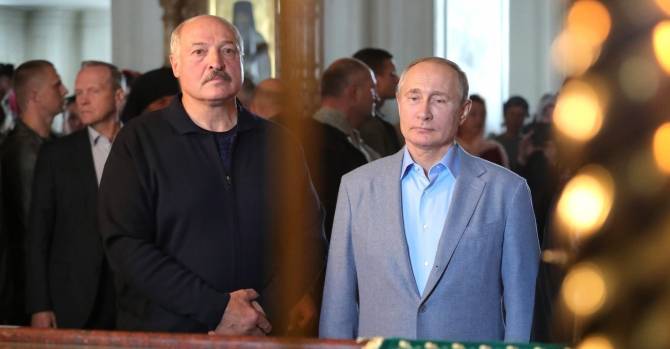
Lukashenka and Putin part ways leaving idea of forced integration in air - udf.by - Belarus - Russia
udf.by
49%
968
Lukashenka and Putin part ways leaving idea of forced integration in air
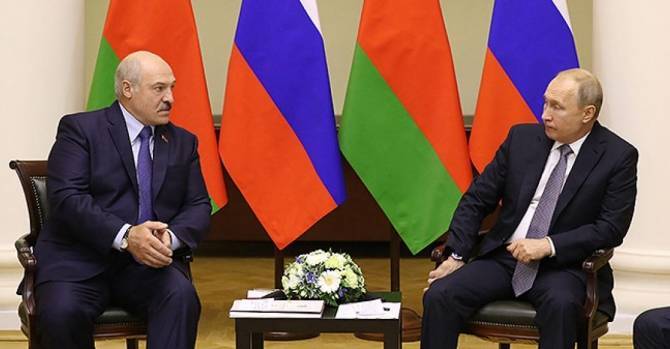
«Today we have a program. This is more or less a strategic document. And today we have a big volume or, to put it in plain language, a heap of current problems. The Group and the governments see these problems. And we have developed a program, which, according to government estimates, has been agreed upon by 80-90%,» says Alyaksandr Lukashenka. What are these contentious issues or «current problems»? In fact, there are quite a few of them. If we talk about the main issues, it is compensation for the Russian tax maneuver, determination of the gas price for Belarus for the next year, payment of long promised Russian loans. All these «controversial issues» from Moscow, from the representatives of the Russian government, were answered by the following: «First, integration, then...». It seemed that after the talks between the leaders of Belarus and Russia in St. Petersburg, the question of what would come «first» was removed from the agenda, but... The Forum of Regions ended, and the leaders went home, but «current problems» reminded of themselves. «Tax maneuver is a sovereign right of Russia, so it's unlikely to be correct to talk about any „compensation“ for Minsk, we may talk about possible assistance to Belarus in mitigating the consequences of its introduction,» said Deputy Foreign Minister Grigori Karasin to RIA Novosti on July 19. According to Associate Professor of Political Science at the Moscow State Institute of International Relations, Kirill Koktysh, such a development of events was to be expected. After all, Russia's goal today is to limit any financial support to Belarus. «It will be very profitable for Russia today to reduce the amount of money, which it used to give to Belarus, retaining the existing status of relations. The tactics is simple: pay a little less for the existing union. From Moscow, it sounds like: „First integration, then negotiations on gas prices. The same applies to Russian loans or compensation for tax maneuver. Minsk says that this is unacceptable for Belarus. In Moscow, they rub their hands: “Well, then, no loans and compensation, and pay as much for gas as we tell you! If nothing is done, if there are no counter-proposals and initiatives from Minsk, the Russian government will be able to implement this game. After all, when you remain just an object, you do not offer anything, you do not make any moves in response and just say „this can't be right, it's wrong,“ it won't work, because everyone will play in their favor,...
Belarus eager to raise Russian oil transportation tariffs by 21.7% - udf.by - Belarus - Russia
udf.by
48%
410
Belarus eager to raise Russian oil transportation tariffs by 21.7%
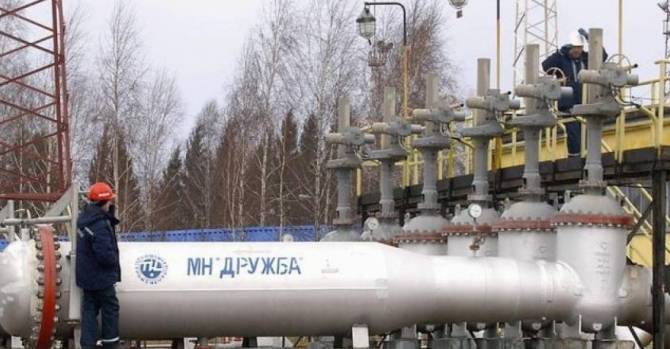
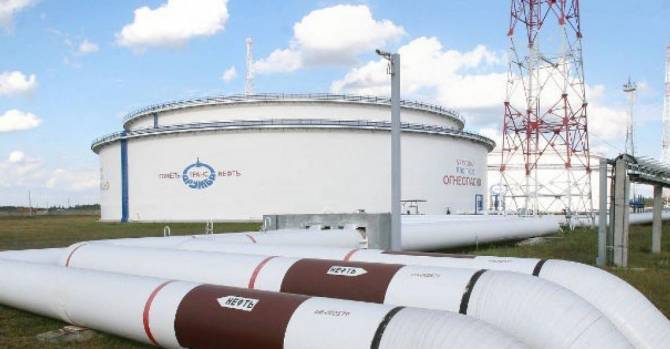
The letter says that as a result of the bad quality oil getting into the Belarusian main pipeline system, the transportation of raw materials to Adamava and Brody was suspended. So far, the transportation in the direction of Adamava has been carried out partially. Due to such force majeure, the Belarusian company lost $23.7 million. The losses were calculated taking into account additional revenues from oil transportation in the reverse direction. Consequently, the volumes of transportation decreased and the level of current tariffs does not allow to cover operational costs linked to the maintenance of the main oil pipeline facilities, as well as the implementation of the technical re-equipment program in 2019. The Russian Transneft has not yet commented on the proposals of the Belarusian side. In April, the Russian oil polluted with chlorides entered the pipeline system in Belarus. In this regard, the transit of raw materials to Europe was stopped on April 24. Supplies of clean oil later resumed, but Belarus still has to clear its pipeline system of substandard oil and this process will only end in mid-August. The annual volume of Russian oil transit through Belarus is about 50 million tons. The proposal to raise tariffs was made in mid-April, and Minsk explained it by the need to preserve the environmental safety of pipelines. However, Russia did not support this proposal, citing its lack of justification. Then the issue of tariff increase was overshadowed after the polluted oil incident.
DMCA